01 · The stories
Myths & defining acts
Sent by Zeus to take Sisyphus, who instead chained him so that no one on earth could die until Ares freed him; wrestled by Heracles at the tomb of Alcestis and forced to give her back to life; came for Sarpedon on the field at Troy, carrying his body home for burial with his brother Sleep.
02 · Sacred lineage
Family & relations
Parents: Nox (Nyx, Night) and Erebus (Darkness). Twin brother: Somnus (Hypnos, Sleep). Brother of the Fates and Nemesis.
03 · Places of devotion
Abode & sacred sites
The underworld; the borders of Hades; the bedside or place of dying.
04 · Two traditions
Greek & Roman perspectives
Thanatos
A winged, sombre youth who clips a lock of hair from the dying to consecrate them to Hades; unmoved by prayer or sacrifice, and not evil - simply the absolute equaliser.
Mors (Letus)
Portrayed as Mors, a cloaked, inexorable reaper (grammatically feminine in Latin, so sometimes shown as a woman) who claims rich and poor with equal indifference; received little worship, since people did not pray to Death.
05 · Extensive analysis
A closer reading
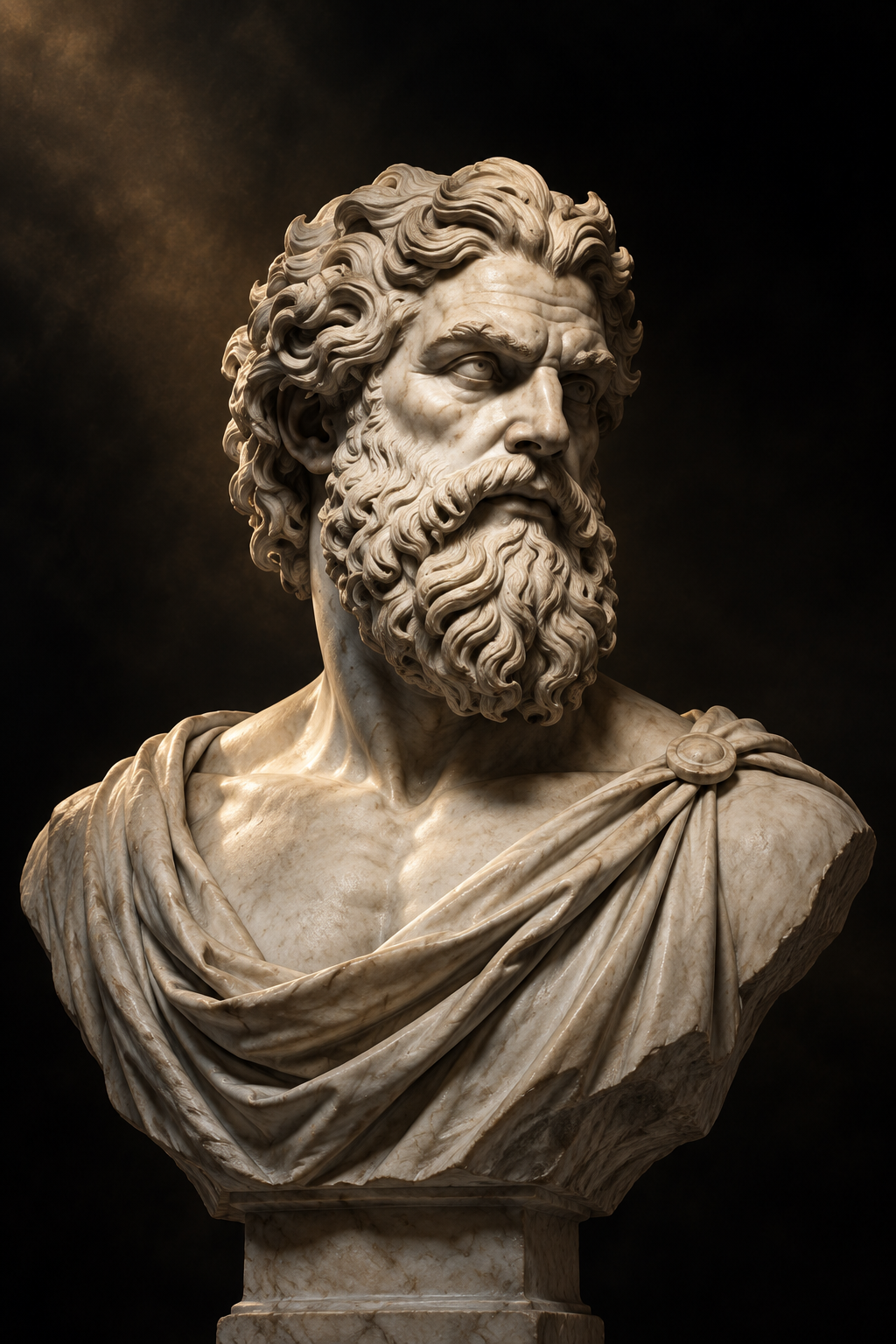
Thanatos / Mors is death as a natural, necessary event rather than as evil or as a tormentor. The Greeks paired him with his twin Hypnos and imagined the two as sons of Night who between them account for the daily loss of consciousness and its final form. The myths about him involve heroes or tricksters temporarily cheating him, always with consequences. On Roman tombs he softens into a mournful winged youth leaning on a downturned torch, the flame of life quietly going out.
06 · Sources
From the archive
Text from Gods · greek_roman_gods, row 28. Imported 10 September 2026.